A Quick Overview of China's Rock Wool Industry in 2023: The Rock Wool Market Booms Under the "Dual Carbon" Background.
Overview: China's rock wool industry has a large number of enterprises, with relatively dispersed production capacity and low market concentration. Currently, Chinese rock wool producers can be roughly divided into three tiers based on production scale, technology and equipment, product quality, product consumption level, and environmental protection level: The first tier consists of large-scale rock wool producers, represented by established companies such as Rockwell Fireproof Insulation Materials (Guangzhou) Co., Ltd., Shanghai New Building Materials Rock Wool Co., Ltd., Beixin Group Building Materials Co., Ltd., and Shandong Luyang Co., Ltd., as well as large enterprises established in the last two or three years. These companies have relatively advanced technology, large production scale, and all adopt the pendulum method of production, resulting in relatively good product quality. The second tier consists of medium-sized rock wool producers. These companies use some of the pendulum method of production, but their equipment investment is low, and the application of technology is not yet fully developed, resulting in product quality significantly lower than that of the first-tier companies. The third tier consists of small-scale rock wool producers. These companies are numerous, have rudimentary production equipment, lack any environmental protection facilities, and produce poor-quality products.
Keywords: Current status of the rock wool industry , competitive landscape of the rock wool market , future development trends of rock wool
I. Overview
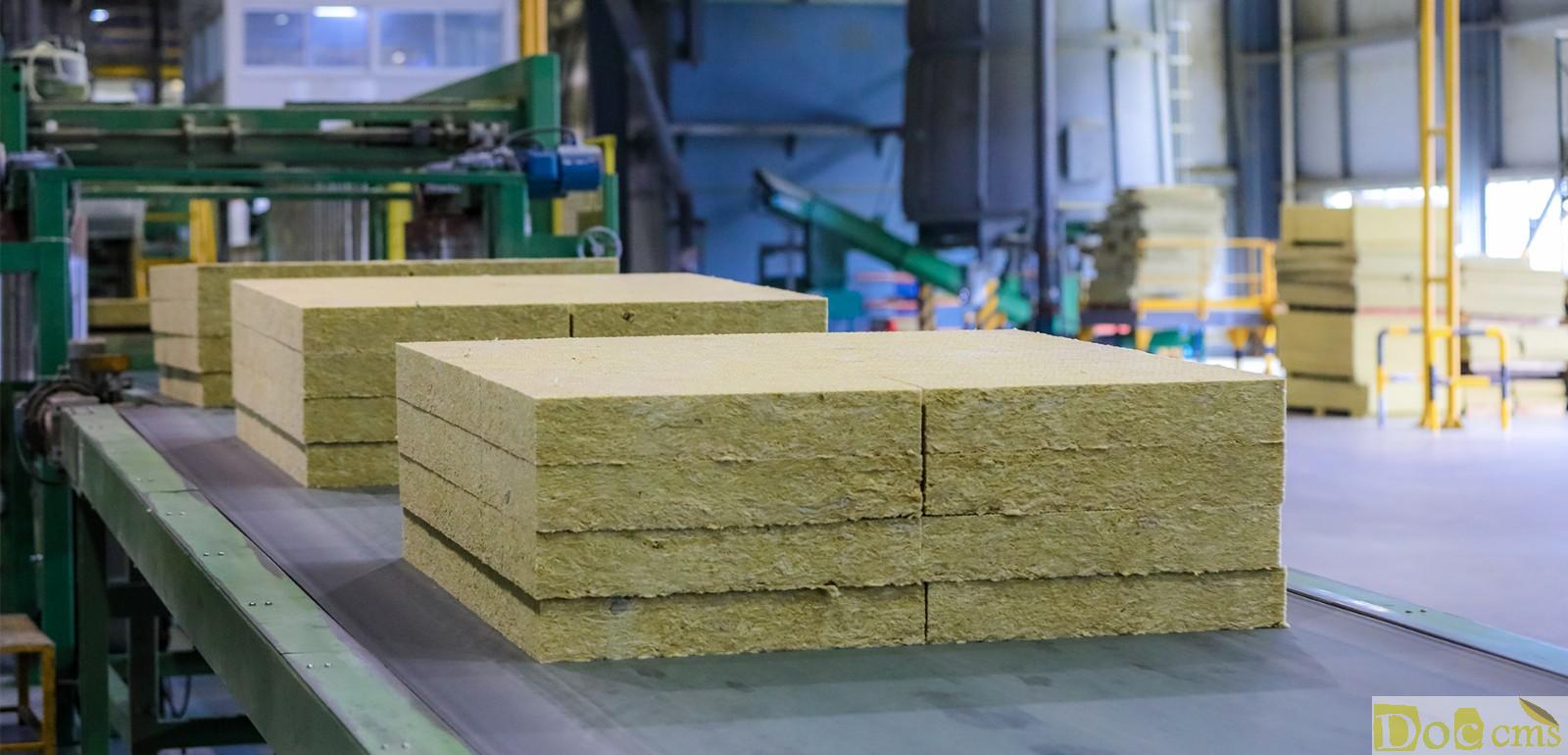
Rock wool is a building insulation material, belonging to the category of man-made mineral fiber materials. It is made primarily from basalt, glass wool, and other raw materials through processes such as high-temperature melting, high-speed centrifugation or airflow traction, followed by impregnation and curing. Rock wool possesses excellent thermal insulation, sound insulation, fire resistance, high-temperature resistance, and corrosion resistance properties, and its downstream applications are very wide-ranging. Furthermore, rock wool is environmentally friendly, containing no harmful substances and posing no harm to human health or the environment. Therefore, rock wool is a widely used and excellent building insulation material.

II. Development Environment
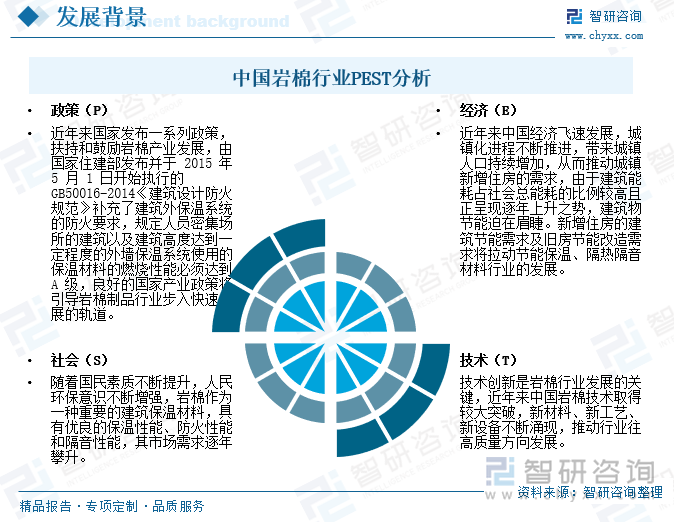
In recent years, the state has issued a series of policies to support and encourage the development of the rock wool industry. GB50016-2014, the "Code for Fire Protection Design of Buildings," issued by the Ministry of Housing and Urban-Rural Development and implemented on May 1, 2015, supplemented the fire protection requirements for external building insulation systems. It stipulates that the combustion performance of insulation materials used in external wall insulation systems of buildings in densely populated areas and buildings reaching a certain height must reach Class A. These favorable national industrial policies will guide the rock wool products industry onto a path of rapid development. Furthermore, with China's rapid economic development, continuous urbanization, rising national standards, and increasing environmental awareness, rock wool, as an important building insulation material, possesses excellent thermal insulation, fire resistance, and sound insulation properties, and its market demand is rising year by year.
Related report: " Analysis Report on Market Competition and Future Prospects of China's Rock Wool Industry " published by Zhiyan Consulting.
III . Current Development Status
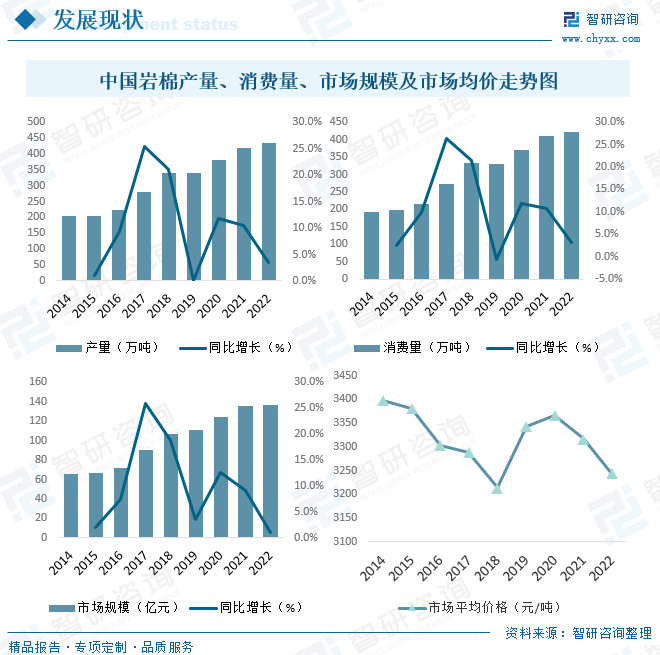
As an important product in the field of building insulation materials, rock wool not only has excellent thermal insulation performance but also good sound insulation performance. With the increasing demands for quality of life, the demand for rock wool in China has gradually increased in recent years. In 2022, China's rock wool consumption reached 4.229 million tons, while the output reached 4.35 million tons, with a market size of 13.722 billion yuan. This growth trend is expected to continue. Looking at price trends, from 2014 to 2021, the price of rock wool in China generally experienced a decline followed by a rise. The price reached its lowest point of 3213.99 yuan/ton in 2018, gradually recovered starting in 2019, and increased to 3366.36 yuan/ton in 2020. Then, it began to decline again in 2021, and in 2022, the price of rock wool in my country dropped to 3244.74 yuan/ton.
While meeting domestic demand, some products are mainly exported. From January to May 2023, China's rock wool exports reached 65,122.5 tons, with an export value of US$100.781 million and an average export price of US$0.15 million per ton. Imports totaled 2,009.8 tons, with an import value of US$12.341 million and an average import price of US$0.61 million per ton. In terms of export destinations, from January to May 2023, China's rock wool was mainly exported to Vietnam, Thailand, Malaysia, Taiwan, Indonesia, the Philippines, Hong Kong, Singapore, Japan, and Mexico, with export values of US$11.948 million, US$10.819 million, US$8.729 million, US$8.396 million, US$5.978 million, US$4.49 million, US$3.411 million, US$3.382 million, US$2.73 million, and US$2.716 million, respectively.

IV . Industrial Chain
1. Industrial chain structure
The upstream industries of the rock wool products industry mainly require materials such as basalt, coke, phenolic resin, steelmaking waste slag, dolomite, and natural gas, most of which are recycled waste, and the domestic supply is currently relatively abundant. The downstream industries of the rock wool products industry include manufacturing, construction, agriculture, and transportation, and the prosperity of these downstream industries directly affects the market demand for rock wool products. Therefore, the market size of the rock wool products industry is significantly influenced by national energy conservation and environmental protection policies, regulations on the insulation materials industry, and the overall macroeconomic climate.

2. Upstream
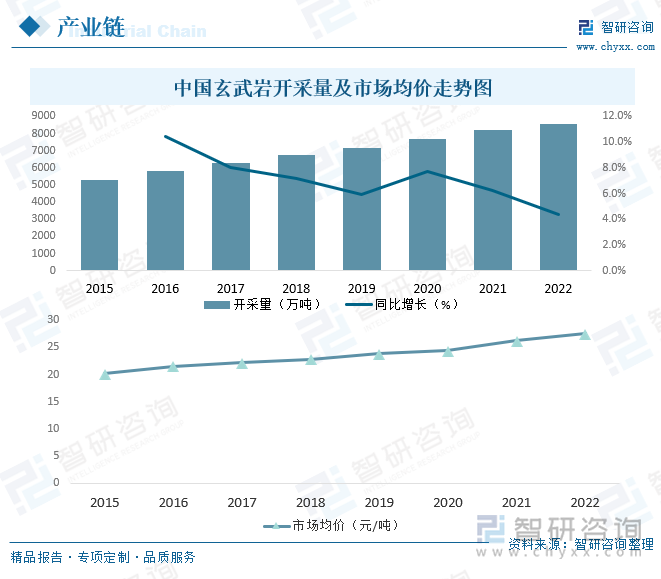
Rock wool is an inorganic material made primarily from basalt. The basalt is melted at high temperatures and then drawn into fibers using a high-speed centrifugal machine. A certain amount of binder is then sprayed in, followed by curing, cutting, and other processes to produce an inorganic fiber product. In recent years, the development, production, and application of basalt in China have seen a qualitative leap, with mining volumes steadily increasing. In 2022, China's basalt mining volume reached 85.4 million tons, a year-on-year increase of 4.4%. This continuous increase in basalt production in China has provided abundant raw materials for the rock wool industry. At the same time, the price of basalt in China has also continued to rise, with the average market price reaching 27.5 yuan/ton in 2022. The rise in raw material prices directly affects the manufacturing costs of rock wool companies, and changes in manufacturing costs play a crucial role in the fluctuations of the ex-factory price of finished products.
3. Downstream
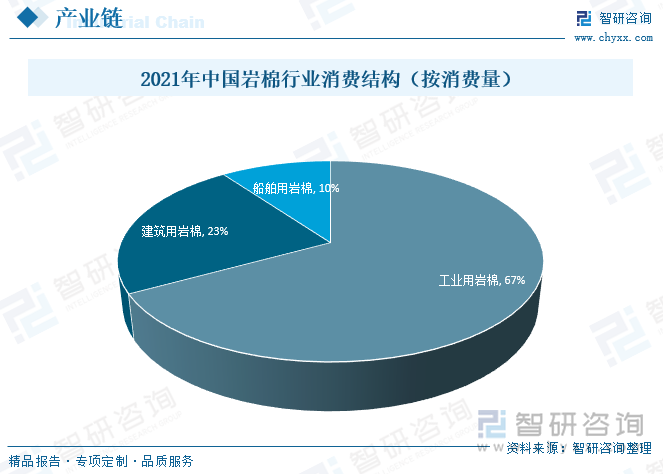
Rock wool products are widely used in industry, construction, agriculture, transportation and other fields. In 2021, rock wool used in China accounted for 67% of industrial use, 23% of building use, and 10% of marine use. Due to the higher quality of rock wool used in construction and marine applications, 70% of the products in China still cannot meet the requirements for building energy conservation.
V. Competitive Landscape
1. Overall layout
China's rock wool industry has a large number of enterprises, with relatively dispersed production capacity and low market concentration. Currently, Chinese rock wool producers can be roughly divided into three tiers based on production scale, technology and equipment, product quality, product consumption level, and environmental protection level: The first tier consists of large-scale rock wool producers, represented by established companies such as Rockwell Fireproof Insulation Materials (Guangzhou) Co., Ltd., Shanghai New Building Materials Rock Wool Co., Ltd., Beixin Group Building Materials Co., Ltd., and Shandong Luyang Co., Ltd., as well as large enterprises established in the last two or three years. These companies have relatively advanced technology, large production scale, and all adopt the pendulum method of production, resulting in relatively good product quality. The second tier consists of medium-sized rock wool producers. These companies use some of the pendulum method of production, but their equipment investment is low, and the application of technology is not yet fully developed, resulting in product quality significantly lower than that of the first-tier companies. The third tier consists of small-scale rock wool producers. These companies are numerous, with rudimentary production equipment, no environmental protection facilities, and poor product quality.

2. Analysis of Leading Enterprises – Beijing New Building Materials
Beijing New Building Materials Group Co., Ltd. (hereinafter referred to as Beijing New Building Materials) is a green building new materials industry platform under China National Building Materials Group, a Fortune Global 500 central enterprise. Founded in 1979 under the personal care of Deng Xiaoping, it was listed on the Shenzhen Stock Exchange in 1997 (000786.SZ). Currently, it has developed into China's largest green building new materials group and the world's largest gypsum board and light steel keel industry group. In 2022, Beijing New Building Materials' total operating revenue reached 19.93 billion yuan, with a gross profit of 5.829 billion yuan and a gross profit margin of 29.24%. In terms of revenue structure, gypsum board was the main source of revenue in 2022, accounting for 13.36 billion yuan, or 67.0% of total operating revenue. In terms of regional revenue distribution, the main sources of revenue in 2022 were southern and northern China, with these regions accounting for as much as 81% of total operating revenue.

Beixin Building Materials' main rock wool products include rock wool boards, rock wool felts, and granular wool. Longpai rock wool products use basalt as the main raw material, which is melted at high temperatures and then processed into inorganic fibers using high-speed centrifugal equipment. Binders and dust-proofing oil are added, and the fibers are laid out using a roller-collecting and oscillating belt, with the fiber arrangement altered by equipment (forming a three-dimensional structure). Finally, it is cured and shaped to create a lightweight insulation material. Depending on the application, it is further manufactured into rock wool boards, rock wool felts, rock wool pipe shells, and other products, widely used in sound absorption, heat insulation, and energy-saving insulation projects in the construction, industrial, and shipbuilding industries.

VI . Development Trends
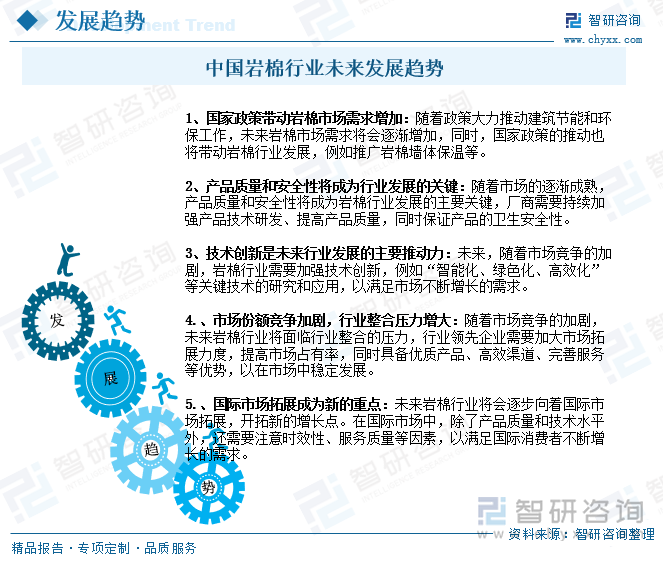
Achieving carbon peaking before 2030 and carbon neutrality before 2060 is a monumental challenge. Rock wool products, an industrial product with a century-long history of application, will gain a rare and significant development opportunity. It is foreseeable that, to meet the needs of sustainable building energy conservation and achieve the "dual carbon" goals as soon as possible, the market will force the rock wool industry to accelerate its transformation and upgrading, adhere to high-quality development, and speed up the industry's green transformation. The expansion of rock wool production capacity will be subject to stricter carbon emission restrictions, and the pace of capacity withdrawal and reduction will accelerate. Leading enterprises with more advanced technology and facilities are expected to further gain a competitive advantage, and the trend of mergers and acquisitions will intensify. The development opportunities brought by the "dual carbon" goals, combined with the opportunities presented by the current controversy surrounding the ban on thin-plastered exterior wall systems in various regions, will inevitably accelerate the high-quality development of the rock wool industry.